Google's Finnish Forest Clearing Forces Wild Wolves Into Residential Areas
Unauthorized deforestation for AI data centers has displaced local wildlife, leading to increased wolf sightings in villages near the construction sites.
By Jasmine Coleman ·
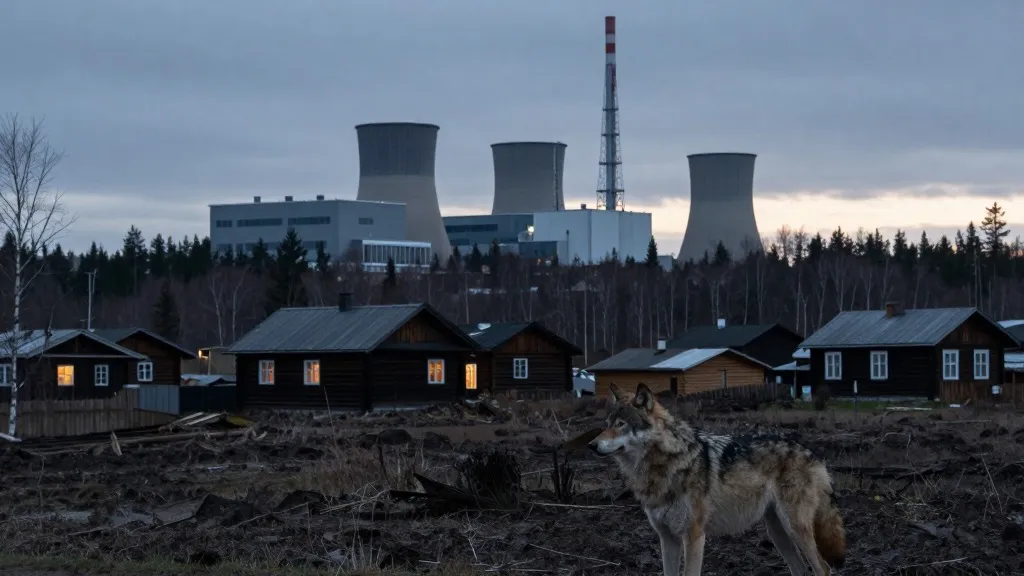
Google has formally apologized for unauthorized forest clearings in Finland, admitting that its construction activities have significantly altered the local landscape. The tech giant's country manager issued the statement following reports that roughly 816 acres of woodland near the town of Muhos have been reduced to large expanses of mud. This environmental disruption has now led to a noticeable shift in local wildlife patterns, with wolves and other animals migrating into neighboring communities in search of habitat.
The scale of the disturbance is substantial. Approximately 500 acres of forest located 55 miles southeast of the village of Otanmäki were cleared without full regulatory approval. These sites are currently under development for new artificial intelligence data centers. The physical transformation of the land has turned dense forest into open, muddy terrain, effectively erasing the natural cover that previously supported the region's wolf packs and other wild species.
Local residents are reporting a direct link between the construction and the appearance of predators in their daily lives. Anni Ranta, 53, a resident of Otanmäki whose family has lived in the area for generations, described the situation as a significant change for the village. "We had wolves coming into the village because all the wild animals moved out of the forest," Ranta explained. For a rural community accustomed to the forest as a natural barrier, the presence of large predators in residential zones has raised immediate safety concerns among families.
Beyond the ecological impact, the project has sparked broader anxieties about geopolitical security. Ranta expressed concern that the U.S.-owned infrastructure could make the region a more attractive target for Russian aggression, adding a layer of strategic tension to the local dispute. This sentiment reflects a growing unease in Finland regarding the physical footprint of American tech companies and the potential vulnerabilities their presence might create.
The regulatory response has been swift. The Finnish Licensing and Supervision Authority, known as LVV, issued an order for Google to cease work at the sites near Muhos and Otanmäki. This action follows a notice sent earlier this month to halt construction activities in the Muhos and Kajaani areas. The intervention highlights the friction between rapid technological expansion and established environmental protections in the Nordic country.
Conservation groups have been vocal in their criticism of the project's execution. A representative from the Finnish Association for Nature Conservation, SLL, described Google's approach to environmental policy as unprecedented and clearly flawed. The organization’s stance aligns with the regulatory body's decision to pause development, signaling that the tech firm's speed in building AI infrastructure outpaced its adherence to local conservation standards.
Google has maintained a cooperative posture despite the setbacks. A spokesperson for the company stated, "We will fully comply with LVV’s requests in this matter." The representative added that the company looks forward to maintaining an active and open dialogue with authorities to strengthen its partnership with Finland and local organizations. This optimistic tone suggests that Google intends to resolve the conflicts through continued negotiation and collaboration rather than litigation.
The disruption has not limited itself to large predators. Locals have also voiced complaints about construction noise, the browning of nearby streams, and the displacement of rare bird species. These issues mirror concerns raised in other countries where AI data center developers have faced resistance from communities worried about environmental degradation. The situation in Finland serves as a prominent example of the growing tension between the global demand for computing power and the local ecological costs of meeting it.
As the work pauses, the stakes remain high for both the company and the region. Google must now navigate the remediation process while trying to preserve its relationship with Finnish regulators and residents. The displaced wildlife, meanwhile, continues to roam the villages, serving as a visible reminder of the landscape's altered state. The outcome of this dispute could set a precedent for future data center projects in environmentally sensitive areas across Europe.
Source: Tom's Hardware