Pentagon policy: Wagers on classified military actions banned
Officials are prohibited from betting on military operations using nonpublic information to prevent adversaries from gaining operational intelligence.
By Neha Iyer ·
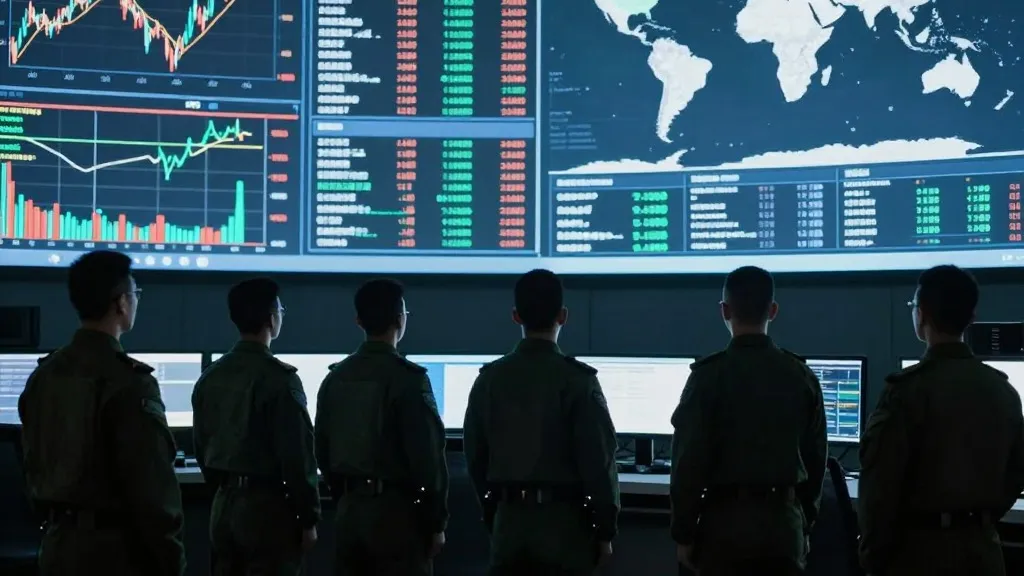
Defense personnel are barred from profiting off insider knowledge regarding upcoming military operations, according to a directive issued to Pentagon leadership. The policy restricts bets on prediction markets and other financial platforms when the wager relies on nonpublic information, whether classified or unclassified.
The guidance was issued via a memo sent to senior leadership, Combatant Command leaders, and Defense Department field activity directors. The subject line of the October 20 document read, "Do Not Compromise Military Operations for Personal Financial Gain."
Officials argue that financial transactions linked to military outcomes create signals that hostile foreign intelligence services can aggregate and correlate to anticipate movements, targets, and timing. The directive states that the lives of service members depend on the enemy not knowing what is coming, and that personnel must not expose them to the enemy for personal gain.
The prohibition covers all financial platforms, explicitly naming traditional betting services and prediction markets such as Polymarket and Kalshi. Defense Department personnel may not engage in any financial transaction informed by nonpublic information, regardless of classification status.
The warning follows a case involving a U.S. Army soldier who was arrested in April. The soldier was charged with using confidential information to place $410,000 in Polymarket bets concerning the timing of the military's capture of Venezuelan President Nicolás Maduro.
Data released in August by the Anti-Corruption Data Collective highlighted further activity of this nature. The report identified 152 suspicious wallets that placed longshot bets on military and defense markets, winning a combined total of $8 million.
Defense Secretary Pete Hegseth wrote that enemies watch movements in these markets. He noted that when a service member, intelligence professional, or civilian engages in a financial transaction on a military outcome, they create a signal that can be exploited by hostile foreign intelligence services.
The directive emphasizes that the men and women who carry the flag into harm's way deserve a force that protects them rather than one that exposes them to the enemy for financial gain.
Source: Ars Technica