Apple raises iPhone Duo shipment targets
Supply chain data indicates a significant production increase following an initial surge in pre-orders for the new folding device.
By Aiko Yamamoto ·
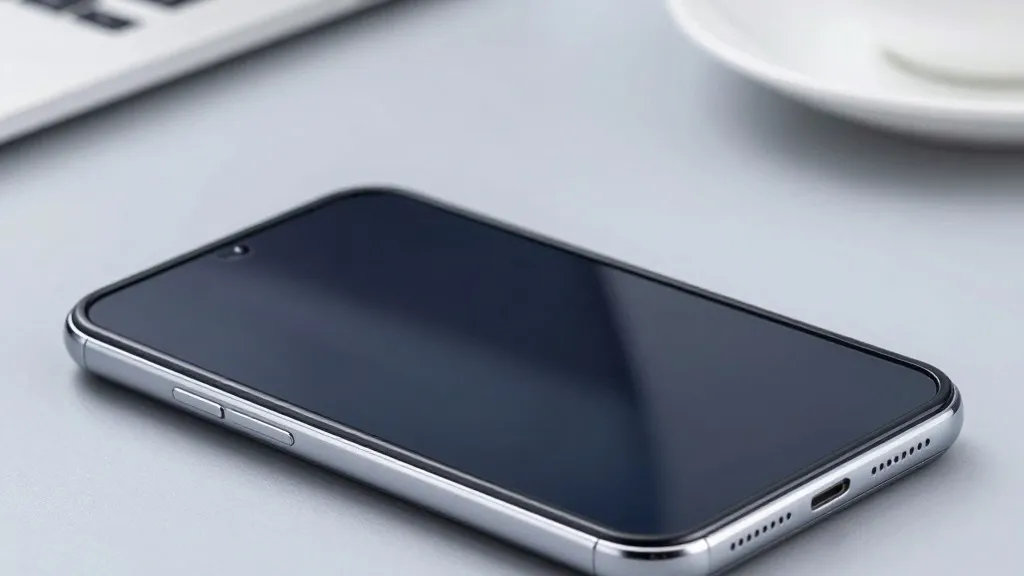
The market for Apple's first folding smartphone has already seen a major adjustment in production planning, with the company boosting its shipment targets by more than 40%. This move comes in direct response to what internal sources have characterized as extraordinary pre-order demand, signaling a potentially lucrative start for the new hardware line.
The initial reaction to the launch on Friday was immediate and intense. Within minutes of pre-orders opening, delivery estimates began to slip, with some customers facing wait times that extended into late January. At the time, it was unclear whether these delays were a sign of overwhelming consumer interest or a supply chain bottleneck. However, the latest reports from DigiTimes suggest the former, indicating that the company is scaling up output to meet the surge.
Apple has historically used the term extraordinary to describe new iPhone launches, so the phrase alone may not be a unique indicator of performance. To manage the initial influx, the company implemented a limit of two units per customer, a strategy designed to curb scalping and ensure broader access to the device. As the weeks progressed, some early buyers received revised shipping dates that were earlier than their initial estimates, a development that aligns with the reported production ramp-up.
The most significant financial implication of this trend is the shift in volume expectations. Supply chain sources indicate that Apple has raised its shipment targets for the first twelve months from 9.7 million units to 14 million units. This represents a substantial increase in projected revenue and market share for the new form factor, suggesting that the company is confident in the product's long-term appeal beyond the initial novelty effect.
Despite the strong sales figures, the device faces some technical hurdles that could affect user retention. Early adopters have reported that third-party applications are not yet fully optimized for the new hardware. Apple states that the situation is improving rapidly as developers adapt their software, and the first round of reviews based on a week of usage highlights app support as one of the five key takeaways for consumers.
Another point of contention for early users is the interface choice. The device launched with Touch ID, a decision that some analysts viewed as a step back from the Face ID standard seen in previous flagship models. However, new reports suggest that this may be a temporary measure. Industry sources indicate that Apple is already testing prototypes of the iPhone Duo 2 with Face ID, hinting at a potential return to the more advanced biometric system in the next iteration.
The rapid adjustment of production targets underscores the volatility and opportunity present in the folding phone market. By increasing orders by such a significant margin, Apple is betting that the initial hype will translate into sustained demand. If the 14 million unit target is met, it would mark a significant milestone for the company's hardware division in the coming fiscal year.
Investors and analysts will be watching closely to see if the early delivery delays were purely a function of demand or if there were underlying manufacturing constraints. The ability to scale production quickly without compromising quality will be a key factor in determining whether the iPhone Duo becomes a lasting franchise or a short-lived experiment in the crowded smartphone market.
Source: 9to5Mac