Tesla shifts approach to self-driving maps
Tesla is now building its own maps to support its self-driving system.
By Ama Boateng ·
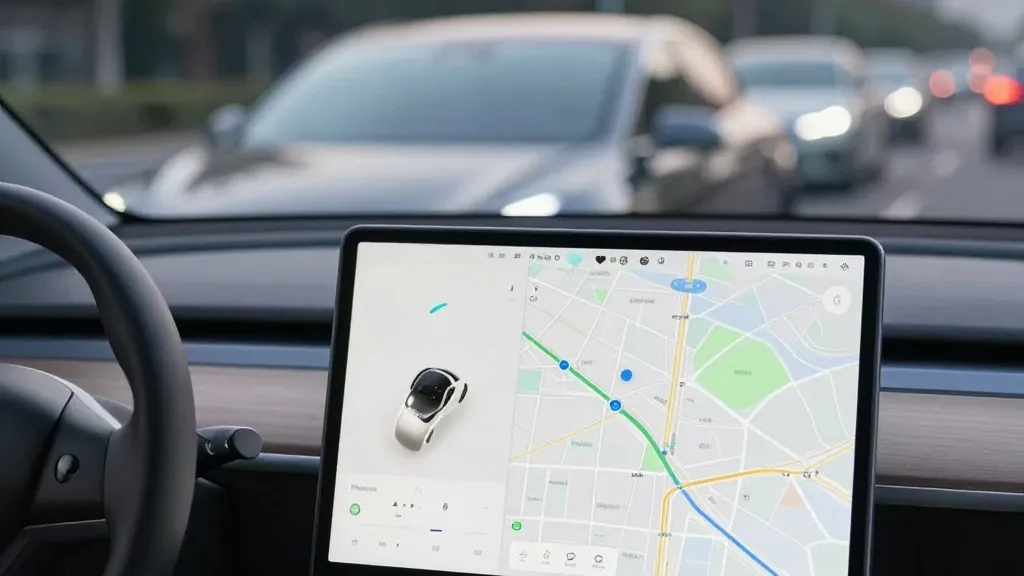
Tesla is now building its own maps to support its self-driving system, marking a significant shift from its earlier stance. This development was revealed during the company's Q3 2026 earnings call, where Tesla's head of AI discussed the new architecture. Tesla's vice president of AI acknowledged that relying on external maps was a mistake and outlined a plan to build its own maps, which will be fed by the collective learning of its fleet. This new system will eventually handle navigation, parking, and destination handling, starting with the beginning and end of trips in the next update.
Tesla's shift to building its own maps comes after years of dismissing the need for detailed maps in self-driving systems. In 2015, when it launched Autopilot, Tesla told Fortune it had started building high-precision maps with “100 times the level of granularity” of standard navigation, using data from its customer cars. At its Autonomy Day in 2019, Elon Musk said Tesla had tried high-precision lane maps and realized it was “a huge mistake.” He called relying on them a “really bad idea” that makes a self-driving system “extremely brittle,” in the same presentation where he called lidar a “fool’s errand.” The message was clear: Waymo needed lidar and detailed maps, and Tesla would solve driving with cameras and AI alone, anywhere. Seven years later, Tesla is building a map layer from its own fleet to fix the things its vision system gets wrong.
The main difference between Tesla and Waymo is that Waymo’s cars have lidar on top, but both companies are solving the same problem in very similar ways. Waymo maps a city by driving its sensor-equipped vehicles through it before launching service, and keeps those maps updated as its fleet drives. Tesla is now describing the same idea: its cars collect what they see, and that data feeds a Tesla-built map that helps every car drive better. Tesla isn’t talking about centimeter-level HD maps today, but a fleet-built map that keeps getting more detailed could easily head that way.
There’s nothing wrong with using maps. Every serious self-driving program does, and a map built from millions of Tesla cars could be a real advantage. If it fixes FSD’s speed limit problems, that’s good news for everyone sharing the road with it. There will be more reasons forthcoming, but not for some time as the main focus will be raking in more cash for those payday goals.
Source: Electrek